
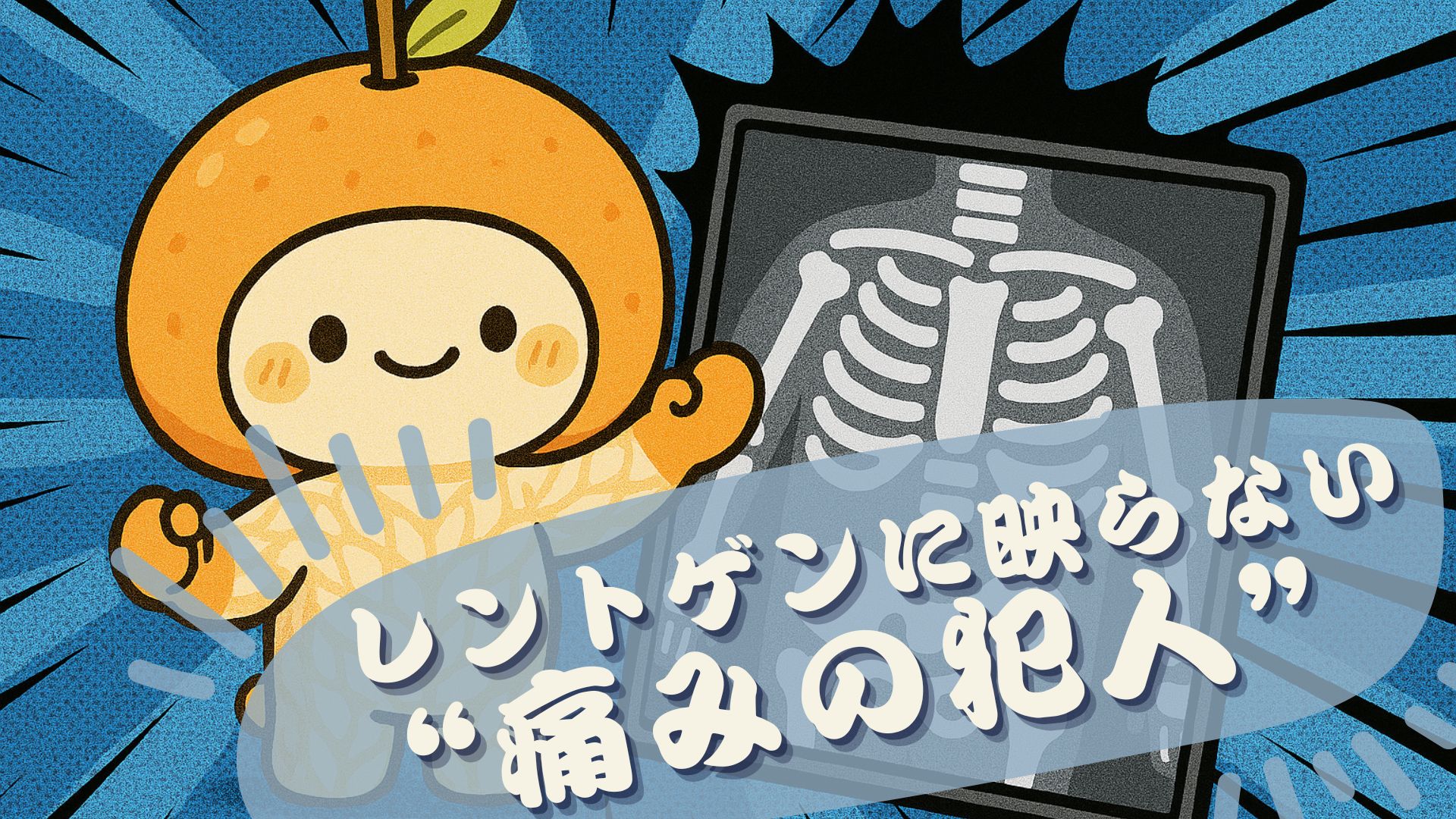
“Fascia” — it’s a word you might not be familiar with yet.
At Kokokara Acupuncture Clinic, we specialize in treatments focused on fascia. It’s hard to explain in a single sentence, but fascia is an incredibly important player — one that holds the key to pain and dysfunction.
So we’ve decided to start a series to explain fascia as clearly as possible — with the help of a special character!
Meet: Fascia-chan!
Yes, an anime character just showed up. (Ha!)
Since “fascia” can sound unfamiliar and hard to grasp, we figured — why not turn it into a cute character people can relate to?
Fascia-chan is like a spider’s web inside your body, connecting every single tissue. Thin, soft, but incredibly hardworking — always linking bones, muscles, organs, and everything else together.
Think of it as a full-body wetsuit that supports your posture and movement from the inside.
Now, let’s have Fascia-chan teach us a few things!
What Happens When Fascia Goes Wrong?
Fascia-chan says: “My ‘mechanical properties’ — that’s a fancy way of saying how well I can stretch and bounce back!”
Healthy fascia has a quality called viscoelasticity. Like a cushion, it flexes under pressure and springs back. But when you sit in bad posture for too long, build up stress, or go through injury or surgery, fascia loses its flexibility.
Fascia-chan says: “When I get stiff, I accidentally send weird signals to the nerves… I’m sorry…”
When fascia hardens, it stimulates free nerve endings — the sensors that detect pain. Even small movements can produce a sharp “zing!” of pain. This is the source of “pain that doesn’t show up on X-rays.”
How We Treat It
At our clinic, we use ultrasound imaging to observe fascia in real-time, then deliver acupuncture to precisely the right spot at precisely the right depth.
Fascia-chan says: “Having them watch me on ultrasound while treating me is SO reassuring! I’m always being rescued!”
Fascia is sometimes mistranslated as just “myofascia” or “membrane” — but it’s far more than that. It’s a crucial tissue deeply involved in pain and movement.
Fascia-chan says: “I’ll keep doing my best to help everyone understand me! Stay tuned!”
Did this help fascia feel a little more familiar? In the next installment, we’ll explore “Fascia and Inflammation” — uncovering the identity of the “silent fire” inside your body!
Before You Visit…
Fair warning: our English is a work in progress! (Ha!)
But thanks to the magic of translation apps, we communicate just fine with patients from around the world.
Your body speaks a universal language — and that’s the one we’re fluent in.